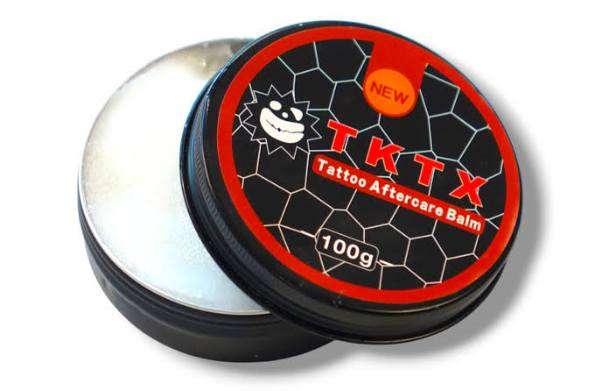
Getting tattooed involves two stages that people often treat as one. The appointment itself gets most of the attention, and the weeks that follow tend to be an afterthought. Yet an aftercare tattoo cream shapes the final result almost as much as the artist’s technique does, and the skin remembers how it was treated.
Two Products, Two Separate Timelines
What Aftercare Actually Does: An aftercare tattoo cream works on hydration and protection rather than sensation. Fresh tattoos lose moisture quickly, which is what drives the tightness and flaking most people notice around day three. A dedicated formula keeps the surface supple, calms itching, and gives the healing skin a stable environment in which to rebuild the outer layer.
The Narrow Window of Numbing: A numbing cream has a narrower purpose. It reduces the sting of the needle for a set window, usually an hour or two depending on the product and how it was applied. Once the session ends, its work is finished. It offers nothing for the recovery phase, which is where a lot of the confusion starts for first timers.
Healing Starts the Moment the Needle Stops
How the Body Responds: Tattooing breaks the skin thousands of times in a single sitting. The body treats this as injury and triggers an inflammatory response, which explains the redness and mild swelling of the first couple of days. That reaction is normal and useful, though it does leave the area sensitive and easily irritated by rough handling.
Moisture Loss and Its Effects: Damaged skin cannot hold water the way intact skin does. Transepidermal water loss rises sharply after a session, and the result is heavy scabbing and patches where pigment lifts away with the crust. Keeping the area lightly moisturised slows that loss and helps the surface knit back more evenly. Artists often spot the difference at a touch up appointment.
Making Both Stages Work Together
Timing the Two Applications: A numbing cream goes on before the appointment, with enough lead time for absorption, and gets wiped away when the artist is ready to begin. Aftercare starts later, once the wrap comes off and the area has been washed gently. The two never overlap, and applying them at the wrong point wastes both.
Everyday Habits Worth Keeping: Choosing an aftercare tattoo cream is only part of it. How often it goes on and what the skin meets in between matter just as much. Thin layers beat thick ones, and clean hands count for more than most people assume. The habits below carry most of the healing period.
- Wash with lukewarm water and unscented soap before every application
- Apply a thin layer two or three times daily, no more than that
- Keep the tattoo out of direct sun until flaking has stopped
- Skip pools and long baths for the first two weeks
- Leave scabs alone, even when the itching gets distracting
Comfort Now, Clean Lines Later
Pain control and healing support answer different questions, and skipping either one tends to show in the finished tattoo. Set both products aside together before the appointment is booked, so neither stage is left to chance. Check the ingredients against any known sensitivities, and speak with a healthcare professional if the skin reacts unusually.
