A small drip, a brief flicker, or a breaker that trips once is easy to dismiss. These quiet warnings are often the first stage of a much larger and far costlier failure in the making. Most home systems decline slowly and signal trouble long before they quit, when owners know what to watch for.
Why Small Problems Refuse To Stay Small
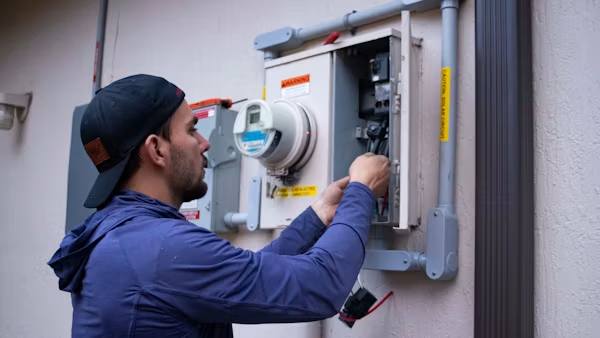
Early Action On A Faulty Panel: Highly trained electricians fix breakers at the first sign of trouble, stopping a minor fault before it scorches the wiring or sparks a fire. A breaker that trips again and again points to a circuit under real strain. Prompt professional repair spares a household the larger expense and genuine danger of a failing electrical system later.
A Planned Swap Beats A Sudden Flood: A water heater replace carried out on schedule protects a home from the cold showers and water damage that follow a tank failure. When an aging unit shows rust, leaks, or weak heating, planned replacement on the owner’s timeline avoids emergency pricing and rushed choices while restoring steady, dependable hot water.
The Quiet Signals Your Electrical Panel Sends
When A Breaker Keeps Tripping: A breaker that trips often is usually responding to an overload circuit breaker condition, where the circuit draws more current than it was built to carry. That protective trip prevents overheating, a frequent strain during Arizona’s punishing cooling season. Repeated trips signal deeper wiring or capacity problems that deserve a professional load assessment.
Warm Outlets And Buzzing Sounds: Warm outlets, a buzzing hum, or a faint burning smell signal a panel may fall short of electrical safety compliance standards meant to guard against fire and shock. Such warnings tend to surface well before a full breakdown. A professional inspection confirms whether the system meets code and pinpoints needed repairs.
The True Cost Of Ignoring A Dying Water Heater
The Sounds And Stains That Signal Trouble: Rumbling noises, rusty water, or puddles near the base mean a water heater is nearing the end of its service life. Sediment buildup forces the unit to work harder, while corrosion slowly eats through the steel tank. Most tanks last eight to twelve years, and Arizona’s hard water can shorten that span.
Where Delay Sends The Bill: Postponing repair tends to turn a small fix into a costly replacement, and in everyday practice technicians routinely meet homeowners who waited months and later faced flooded floors. Preventive service catches faults early and spreads costs over time, while emergency calls arrive after failure at higher rates, making early action the more affordable path.
Signs A Water Heater Needs Attention Soon:
- Water that takes longer to heat or never turns fully hot.
- Rust-colored or cloudy water flowing from the hot taps.
- Popping sounds as hardened sediment shifts inside the tank.
- Moisture, drips, or small puddles forming around the base.
- A unit older than ten years with no recent professional service.
Questions Homeowners Ask Most
How Long Does A Typical Water Heater Last?
Most standard water heaters serve a household for eight to twelve years. Hard water, common across Arizona, shortens that span as mineral deposits collect inside the tank. Routine flushing slows the wear, yet any unit past the ten-year mark deserves close monitoring.
Is A Breaker That Trips Occasionally A Serious Problem?
An occasional trip during heavy appliance use is usually normal protection. Frequent trips are not, since they often point to an overloaded circuit, a failing breaker, or a hidden wiring fault. A steady pattern of tripping means a highly trained electrician should inspect the panel.
Can Homeowners Safely Handle These Repairs Themselves?
Resetting a single tripped breaker is safe for most homeowners. Diagnosing repeated trips, swapping a water heater, or opening a panel carries real risk of shock, fire, or flooding. Qualified professionals bring the training and proper tools to finish the work safely and to code.
Turn Early Warnings Into Lasting Comfort
Catching small warning signs early keeps a home safe, comfortable, and free from sudden disruption. Waiting only lets minor faults grow into major repairs, higher bills, and stressful emergencies that upend daily routines. The surest protection is a timely professional inspection, so schedule an evaluation today and resolve small problems before they ever turn expensive.
