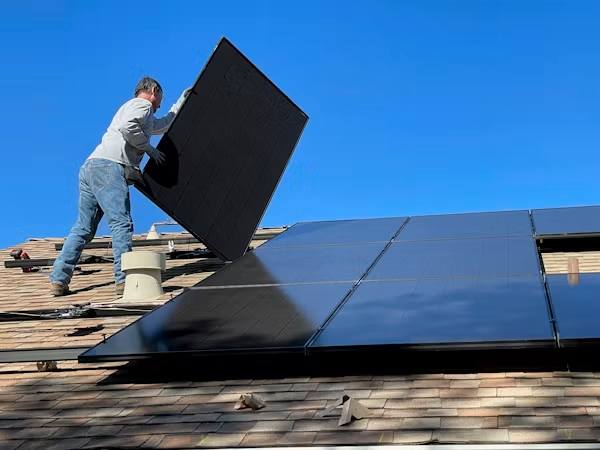
Home energy planning across Ontario has moved from a niche interest into an everyday household conversation. Heavier appliance use and steeper bills are pushing families to rethink where their power comes from. Some start by comparing home generators for sale to cover outages, then widen the search towards steadier options that suit changing needs.
When the Meter Keeps Climbing
Growing Demand at Home: Electricity use in Ontario homes keeps climbing as heat pumps, bigger appliances and home offices add to the daily draw. Reliable backup ranks high on many worry lists, which is partly why searches for home generators for sale spike through storm season. Steady supply has become a real concern for most households.
A Cleaner Route to Supply: For families looking for a steadier answer, residential solar panels in Ontario offer a way to lean less on the grid and soften sharp bill spikes. Rooftop arrays turn daylight into usable power, cutting what a home pulls during sunny hours and easing the strain on monthly costs across the year.
Sizing a System to Real Daily Use
Start with Real Consumption: Sound planning starts with a clear read on how much power a home truly uses over a full year. A proper energy audit reveals peak periods, wasteful habits and the real baseline load a system must cover. Figures drawn from past bills tell a sharper story than rough guesswork ever will.
Selling Surplus Back to the Grid: Sunlight sent back to the grid need not go to waste. Under net metering, surplus power earns credits that trim later bills and help balance the cost of a system over its life. Households that watch their output closely can see where those credits build, especially through the brighter months.
Reading the True Cost: Cost sits at the centre of most decisions, and it deserves an honest look. Upfront spending on panels and wiring feels steep, yet a sensible payback period spreads that outlay across years of lower bills. Available rebates in Ontario can shorten the wait, though the figures shift, so current checks matter.
Turning a Plan into Panels
Shaping the System to Fit: Homes rarely stay still. An electric car or a new heat pump can lift demand quickly, so system design should leave clear room to grow rather than fit only today. Some households still keep home generators for sale in mind for deep winter outages, pairing fast backup with steady daytime solar.
Guidance from Start to Finish: A good consultation walks a household through options, costs and timelines before any hardware gets chosen. Installers handle permits, wiring and the setup for battery storage that carries power into the evening. Getting these steps right early saves money and stress later on. A short checklist keeps the planning grounded:
- Roof direction and shading first, since they shape output far more than panel count
- Real yearly use, taken from past bills rather than rough estimates
- Space left for battery backup that covers the evening hours
- Headroom for an electric car or future heating upgrades
- Permit steps and grid approval timelines that can shift the schedule
- A clear plan for surplus power and how credits get tracked
A Home Ready for What Comes Next
Power shaped around a household’s real needs holds up far better as demand grows. Honest usage checks, careful sizing and the right design make residential solar panels in Ontario a grounded step rather than a gamble. Homeowners can map their needs with a qualified installer and start shaping supply that lasts.
