The Coffee Never Changed: The same Ritual From Istanbul to Sarajevo

In the Balkans, coffee is never just coffee. It is a time for pause built into the day, a reason to sit down and talk for an hour. Travel from Istanbul to Sarajevo, and you will notice something strange. Not only do the cup and pot look the same, but the slow ritual around coffee drinking feels almost identical, centuries after it began. That thread of shared habit runs the whole way between the two cities. Follow it on a Balkan private tour, and the coffee cup becomes a small lesson steeped in history.

What a 3-Day Luxury Istanbul Tour Reveals About Coffee

Coffee reached the Ottoman court in the 16th century, carried up from Yemen. A 3-day luxury Istanbul tour gives you room to sit in one of these old cafes. Within a few decades of its arrival, coffeehouses filled the city, and people gathered to trade news and argue politics over a cup of coffee.

Near the Grand Bazaar, one roaster has sold ground coffee since 1871, and still has a long line of buyers every morning outside. Coffeehouses became the living rooms of the city, open to anyone with time to spare. Coffee has also shaped how people met and married in this part of the world. In an old custom, a bride served her suitor coffee, sweet if she liked him, salty if she did not. This custom is still followed today in those countries.

In 2013, UNESCO added Turkish coffee culture to its list of intangible heritage. There is another tradition around coffee. When the grounds settle thick at the bottom of the small cup, some people turn the cup over and read the patterns left behind. A glass of water and a piece of Turkish delight sit beside the coffee cup. The sweetness softens the strong, dark brew.

Carrying the Ritual North on a Balkan Private Tour

Over centuries, the Ottomans reached Bosnia in 1463, and coffee became part of daily life there too. Head north on a Balkan private tour, and the cups start showing up in Sarajevo. The old bazaar, Baščaršija, dates to the same era. You can still see coppersmiths hammering pots by hand on a narrow street near the Sebilj fountain.

In Mostar, a stone bridge from the 16th century arches over the green Neretva, which was rebuilt after the war. Sarajevo showcases its history everywhere. Even a short walk will take you past a synagogue, a mosque, and churches. This has earned the city its nickname, the Jerusalem of Europe.

Order a coffee in Sarajevo, and it arrives in a similar way you would find in Istanbul. A tray carries a small copper pot with a cup without a handle, a cube of sugar, and a sweet on the side. The pace is slow. Locals call this slow pace a quiet pleasure, ćejf, in other words, the art of savoring the moment without any rush.

In Closing

A private tour across these two cities is a trip through the memory lanes of a long history. The same pot and patience, carried into two languages. The best way to feel it is slowly, with a guide who knows which cafe to enter and when to let you wander around the town. Tell your travel ideas, and the tour company  will shape the route around your pace.

The Process Behind Whole Body Donation Is Becoming More Structured, Accessible, and Family-Focused

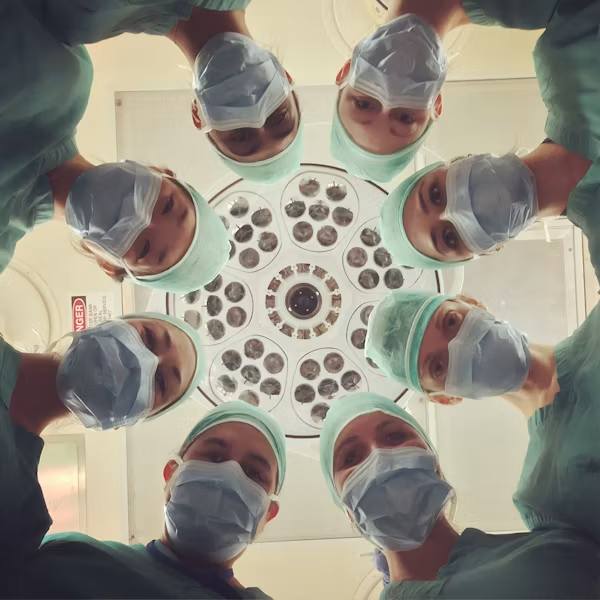
Most families know little about how anatomical donation actually works until they face an urgent decision. Questions about transport, paperwork, and who qualifies tend to surface at the hardest moments. That gap in understanding can make a meaningful choice feel overwhelming, even when the underlying purpose is something people deeply respect.

When Uncertainty Gives Way to a Clear Path

Relief From the Financial Weight: Families often start by weighing cost against meaning, and that is where body donation changes the picture. Many programs cover cremation and transportation at no charge to the family, which removes a heavy added worry. The donor still leaves a lasting contribution to science, turning a private loss into something useful.

Finding Help Without the Guesswork: Proximity matters more than people expect, since timing and transport depend on it. Searching for whole body donation near me often connects families with coordinators who handle the practical steps quickly. That local link shortens delays, keeps communication simple, and gives loved ones a single point of contact during a stressful stretch of days.

The Quiet Rules That Keep Everything Honest

The Legal Backbone You Rely On: Consent sits at the center of every legitimate program, and the Anatomical Gift Act gives that consent its legal weight. The law lets adults document their wishes in advance, so families are not left guessing later. Clear authorization protects everyone involved and confirms the donor’s intent was honored exactly as expressed.

Paperwork That Protects the Donor’s Wishes: Documentation has become far simpler over recent years. Most programs offer pre-registration forms that record eligibility details, health history, and next-of-kin contacts long before they are needed. Having those records ready means fewer urgent phone calls during grief, and it spares relatives from making complicated choices under pressure they did not anticipate.

Where a Single Gift Travels After Goodbye

The Reach of One Generous Choice: A donated body can support more learning than most people realize. Surgeons refine techniques, students study real anatomy, and teams advancing medical research test approaches that textbooks cannot teach. One donor might contribute to several projects, meaning the impact spreads across classrooms, laboratories, and future treatments long after the donation is complete.

The Ripple Across Many Fields: The benefit rarely stops with a single use. Tissue studied in different programs helps train emergency responders, dental students, and device engineers alike. Each group walks away better prepared, which means everyday patients eventually meet sharper, more confident professionals because one family chose to give rather than simply say goodbye.

The Support Network Working Behind the Scenes

Help That Arrives When Families Need It: Coordination has improved enough that relatives rarely manage logistics alone anymore. A single call usually sets the entire process in motion, and trained staff carry the weight from there. Knowing what that support actually covers can make the difference between a frantic day and a calm one. Common services include:

  • Around-the-clock phone coordination on the day of passing
  • Guidance on who qualifies and what conditions may exclude a donor
  • Transportation arranged and managed from start to finish
  • Cremation and return of remains handled at no family cost
  • Documentation support that keeps the donor’s recorded wishes clear

A Choice That Keeps Giving Forward

Planning early removes pressure from the people you love and turns a difficult subject into a settled, generous decision. Families who learn the steps now tend to feel calmer when the time comes. Reach out to speak with a donation coordinator, ask questions freely, and start a plan that protects your wishes.

Featured Image Source: https://images.unsplash.com/photo-1579684385127-1ef15d508118?w=600&auto=format&fit=crop&q=60&ixlib=rb-4.1.0&ixid=M3wxMjA3fDB8MHxzZWFyY2h8MTl8fHN1cmdlcnl8ZW58MHx8MHx8fDA%3D

Home Design Trends

Home design is the practice of creating a comfortable and inviting interior space. It incorporates elements such as furniture, lighting, color, and texture to create a cohesive style.

Home designs that showcase quiet luxury are often full of lived-in looks and elegant details like veined marble, dark wood tones and unlacquered hardware. This Charleston, South Carolina, bedroom by Cortney Bishop is a great example.

Modern

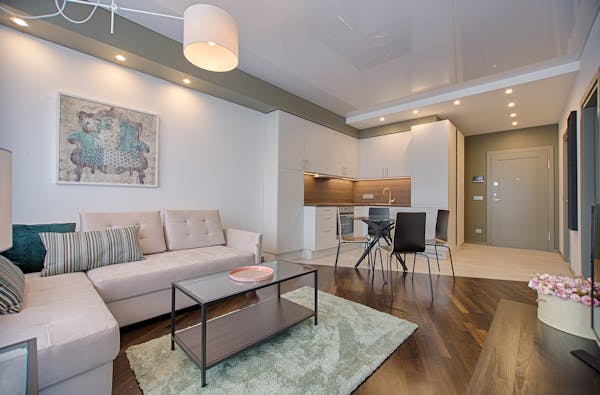
From decluttering shows on Netflix to the soaring popularity of minimalist decor, modern home design focuses on clean lines and geometric shapes. In this trend, ornamentation is replaced with intentional asymmetry, and architectural elements such as arches are replaced with columns that emphasize height and width. While reshaping traditional designs into modern ones, this trend also includes incorporating smart home technology into homes, allowing you to control every aspect of your living space with the sound of your voice.

A blend of modern lines and shapes with natural materials makes a statement that speaks to the past while bounding towards the future. Whether it’s wood, stone, or exposed concrete, these combinations of materials add structure to your home while maintaining a modern aesthetic. Some of these combinations even resemble Craftsman style, which is one of our favorite ways to balance structural beauty with modern home design.

Another way to add a splash of modern to your home is to incorporate illustrated tiles into your kitchen backsplash or bathroom floor. These tiles offer a whimsical twist on the traditional stark geometric patterns, turning homes into storytelling canvases. From hand-drawn botanicals to folklore patterns, these tiles bring personality to kitchens and bathrooms alike.

Traditional

Traditional home design is just as it sounds: a comforting style that pulls inspiration from 18th and 19th century European decor. Its recognizable traits include curved lines, wingback chairs and couches and furniture in the Queen Anne, Chippendale or Sheraton styles; and carved wood details. In addition, symmetry is key, meaning almost all items come in pairs. This includes sofas, end tables, chairs, lamps and sconces and even rugs.

The best thing about this decorating style is that it is incredibly comfortable and elegant, especially when paired with warm colors. Its timeless nature and friendly charm make it a popular choice for homeowners who want a home that feels familiar, comfortable and put together. However, if done poorly, this style can feel stuffy and outdated.

To avoid this, keep the focus on neutral whites, soft grays or rich blues to help the space feel modern. Adding in some contemporary jewel hues or fresh layouts can also add visual interest without feeling too out of place with this design style.

New traditional style is a mix of classic elements with a more contemporary twist. It takes cues from traditional decorating but can be more ornate and bold with its use of patterned fabrics, elaborate molding and architectural details. It can also feature a range of materials, such as velvet, wood and upholstered large-scale furniture.

Transitional

One of the most popular design styles in recent years, transitional home designs offer a bit of wiggle room between traditional and modern. This allows homeowners to blend elements of both design styles until they find a balance that is uniquely their own. Oftentimes, this means combining traditional features like wainscoting with modern furniture and simple decor. This style also incorporates a mix of straight and curved lines to create a balanced look.

In terms of color, transitional spaces typically rely on a soothing palette of neutral hues with a touch of organic contrast. Think tans, taupes and vanillas paired with darker browns for depth. To add texture and interest to a neutral transitional space, designers suggest adding some rich details such as wood grain, woven textiles or metallic accents to the mix.

Minimalist

Using just enough elements to show off the beauty of your home’s natural materials, minimalist home design allows each piece to tell its own story without competing with each other for attention. The spare simplicity of this style can highlight lower quality and poorly made features more than other styles, so it’s important to choose carefully when sourcing your materials.

Minimalist interiors are often anchored by a beautiful view, but they can also be complemented with a simple color palette of warm hues. Soft shades of beige, light brown, and soft oatmeal are a beautiful complement to the underlying raw materials of minimalist kitchens, bathrooms, and living rooms. These inviting colors can be used throughout the room in rugs, window treatments, and bedding.

Functional furniture is another popular minimalist design feature. Integrated furnishings that serve multiple functions prevent the space from looking cluttered, so you can get more out of your furniture and storage. Floating staircases and furniture that doubles as benches are great examples of this trend.

While minimalist home design often avoids patterns, incorporating small prints into your decor can give the space a personal touch. You can also add some personality with eye-catching lighting fixtures, which are available in a huge array of designs and finishes. Creating a clean, organized home is an essential component of minimalism. Tidying up on a regular basis helps reduce visual clutter and makes the space feel fresh and welcoming.

Featured Image Source: https://images.pexels.com/photos/1643383/pexels-photo-1643383.jpeg?auto=compress&cs=tinysrgb&w=600