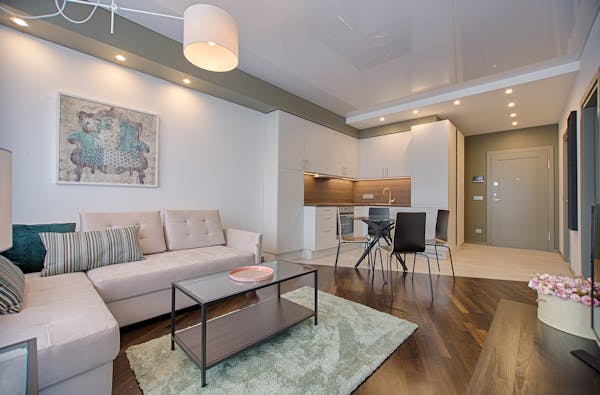
Home design is the practice of creating a comfortable and inviting interior space. It incorporates elements such as furniture, lighting, color, and texture to create a cohesive style.
Home designs that showcase quiet luxury are often full of lived-in looks and elegant details like veined marble, dark wood tones and unlacquered hardware. This Charleston, South Carolina, bedroom by Cortney Bishop is a great example.
Modern
From decluttering shows on Netflix to the soaring popularity of minimalist decor, modern home design focuses on clean lines and geometric shapes. In this trend, ornamentation is replaced with intentional asymmetry, and architectural elements such as arches are replaced with columns that emphasize height and width. While reshaping traditional designs into modern ones, this trend also includes incorporating smart home technology into homes, allowing you to control every aspect of your living space with the sound of your voice.
A blend of modern lines and shapes with natural materials makes a statement that speaks to the past while bounding towards the future. Whether it’s wood, stone, or exposed concrete, these combinations of materials add structure to your home while maintaining a modern aesthetic. Some of these combinations even resemble Craftsman style, which is one of our favorite ways to balance structural beauty with modern home design.
Another way to add a splash of modern to your home is to incorporate illustrated tiles into your kitchen backsplash or bathroom floor. These tiles offer a whimsical twist on the traditional stark geometric patterns, turning homes into storytelling canvases. From hand-drawn botanicals to folklore patterns, these tiles bring personality to kitchens and bathrooms alike.
Traditional
Traditional home design is just as it sounds: a comforting style that pulls inspiration from 18th and 19th century European decor. Its recognizable traits include curved lines, wingback chairs and couches and furniture in the Queen Anne, Chippendale or Sheraton styles; and carved wood details. In addition, symmetry is key, meaning almost all items come in pairs. This includes sofas, end tables, chairs, lamps and sconces and even rugs.
The best thing about this decorating style is that it is incredibly comfortable and elegant, especially when paired with warm colors. Its timeless nature and friendly charm make it a popular choice for homeowners who want a home that feels familiar, comfortable and put together. However, if done poorly, this style can feel stuffy and outdated.
To avoid this, keep the focus on neutral whites, soft grays or rich blues to help the space feel modern. Adding in some contemporary jewel hues or fresh layouts can also add visual interest without feeling too out of place with this design style.
New traditional style is a mix of classic elements with a more contemporary twist. It takes cues from traditional decorating but can be more ornate and bold with its use of patterned fabrics, elaborate molding and architectural details. It can also feature a range of materials, such as velvet, wood and upholstered large-scale furniture.
Transitional
One of the most popular design styles in recent years, transitional home designs offer a bit of wiggle room between traditional and modern. This allows homeowners to blend elements of both design styles until they find a balance that is uniquely their own. Oftentimes, this means combining traditional features like wainscoting with modern furniture and simple decor. This style also incorporates a mix of straight and curved lines to create a balanced look.
In terms of color, transitional spaces typically rely on a soothing palette of neutral hues with a touch of organic contrast. Think tans, taupes and vanillas paired with darker browns for depth. To add texture and interest to a neutral transitional space, designers suggest adding some rich details such as wood grain, woven textiles or metallic accents to the mix.
Minimalist
Using just enough elements to show off the beauty of your home’s natural materials, minimalist home design allows each piece to tell its own story without competing with each other for attention. The spare simplicity of this style can highlight lower quality and poorly made features more than other styles, so it’s important to choose carefully when sourcing your materials.
Minimalist interiors are often anchored by a beautiful view, but they can also be complemented with a simple color palette of warm hues. Soft shades of beige, light brown, and soft oatmeal are a beautiful complement to the underlying raw materials of minimalist kitchens, bathrooms, and living rooms. These inviting colors can be used throughout the room in rugs, window treatments, and bedding.
Functional furniture is another popular minimalist design feature. Integrated furnishings that serve multiple functions prevent the space from looking cluttered, so you can get more out of your furniture and storage. Floating staircases and furniture that doubles as benches are great examples of this trend.
While minimalist home design often avoids patterns, incorporating small prints into your decor can give the space a personal touch. You can also add some personality with eye-catching lighting fixtures, which are available in a huge array of designs and finishes. Creating a clean, organized home is an essential component of minimalism. Tidying up on a regular basis helps reduce visual clutter and makes the space feel fresh and welcoming.
Featured Image Source: https://images.pexels.com/photos/1643383/pexels-photo-1643383.jpeg?auto=compress&cs=tinysrgb&w=600
